
SocialVilla is a creative marketing agency crafting bold brand experiences through design, content, and strategy. We offer services like branding, website development, social media management, influencer campaigns, SEO, and performance marketing.
From concept to execution, we align creativity with business goals — building brands that connect, engage, and grow. Whether launching or scaling, we turn your vision into measurable impact.
✉️ Info @socialvilla.com

Written by
Learn how Gen Z values authenticity, transparency, and real connections—and what brands can do to earn their trust.
The relationship of the audience with brands have changed. Gen Z favors genuine companies over clever marketing strategies. They want to support businesses that share their views, communicate freely, and are sincere in their actions. For this age group, human ties are far more crucial than advertising communications.
The Gen Z generation has come of age in an environment where technology, particularly mobile phones and social media, has been prevalent. In this regard, members of Gen Z can easily tell apart real interaction from promotional messages. Gen Z does not solely depend on advertising in decision-making regarding purchase choices. Rather, this generation prefers to research products through reviews, consumer insights, video content created by users, and other forms of authentic storytelling before entrusting their trust in any particular brand.
In the era before social media, companies were at the center of the story. Customers relied on commercials aired on TV, ads in print form, and effective marketing strategies to learn about them. Today, however, everything has changed; actual experiences, online discussions, and influencers’ suggestions can outweigh regular advertising in building people’s trust.
The thought process of Gen Z has completely changed the way marketing works. It takes more than simply traditional advertising to build trust. As such, businesses should focus on building integrity and creating real relationships with their consumers. Being honest is what matters most for Gen Z. Being honest matters when it comes to their interaction with brands. All these qualities will generate genuine communities.
It all began with a move from marketing tactics to natural conversations among brands, as Gen Z starts spending more money. This approach finally presents marketers with the chance to connect better with their young customers.
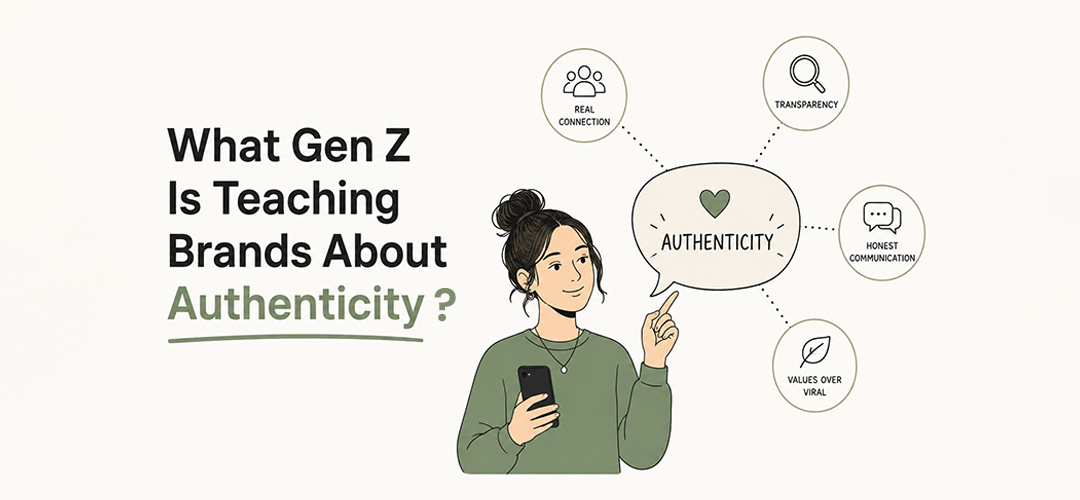
Marketers used to stress perfection, improving their images, writing the best ad, and covering up their weaknesses. Such an approach paid off in the past, but now consumers demand more from marketing campaigns. Today's consumers expect brands to engage in open communication and deliver products that match what is advertised. They are highly selective when it comes to products that deserve their trust because they get plenty of marketing messages all day long.
Gen Z really doubts polished, scripted messages. They know ads aim to persuade them, so they tend to look for more info beyond that before deciding. While pretty campaigns grab attention, that’s not all that’s needed now. Buyers today want evidence that firms truly believe in their stated values. They look at how the company treats customers, how it runs its workforce, what people are saying online, and what actions it actually takes.
Customers are tempted to trust brands that keep their word. Consumer confidence can be damaged by unmet expectations, but a company's reputation is improved when its both words and actions are consistent. Yet, those that stay honest in their communication usually end up building long-term loyalty.
This change doesn't make traditional marketing unimportant. Instead, marketing needs to be backed up with transparency and honesty. People want genuine substance behind the ads. Without that actual integrity, awesome ad creatives won't likely stick around in people's minds for long.
A lot of people think that to be authentic means making things raw, unedited, or super informal. But being authentic isn't about how something looks, it's about honesty. By revealing the true people and principles behind the company, authentic content enables your audience to truly get to know you and your brand.
When brands let their founders take the lead with their own stories, it hits big time. People dig hearing straight from those who built the company, it feels open and makes a personal link. And honestly, these stories tend to resonate way more than regular old marketing tricks.
What's more, letting employees share their stories builds trust. It gives viewers a peek at what it's like to be part of the team, plus they learn about the brand's values and culture. Then there's user-generated content, consumers often find it super trustworthy because it comes off as honest and unbiased, more so than ads. This stuff helps future buyers feel good about their choices, too.
Selling isn't the only goal of authentic content. It may also involve interesting analyses, useful tips, or instructional pieces. The bottom line here is that adding value is essential for establishing an effective bond between you and your target audience. Companies that do it show that they value being honest and realistic rather than trying to be perfect in every piece.
One must understand that authenticity cannot come overnight. It requires a lot of effort. First and foremost, one needs to listen to Gen Z’s concerns and needs. Gen Z values their opinions and wants to feel that someone listens to them. For that, they expect companies to engage in meaningful conversations.
Finally, as they say, actions speak louder than words. If a brand talks about sustainability or diversity, it needs to practice what it preaches. Mismatched words and deeds just destroy any chance of being seen as genuine.
The third step is about valuing the customer more than promotions. The most trusted brands help their audience first, without asking for anything back. They educate, inspire, entertain, and solve problems which creates goodwill and fosters long-term loyalty.
It matters to be consistent. Instead of focusing on a single interaction, brands are assessed based on all of the interactions customers have with them over time.
Technology is gonna keep advancing and how marketers reach people will keep changing too. But one thing will stay the same: our need for trust and connection. Digital spaces are getting more packed every day. So, being real is super important now. People are pickier about the brands they back. They look for companies that talk openly, do right by everyone, and help out where they can.
It won't just be the biggest ad-spenders that win in the long run. The winners will be the ones who offer true value and who stay credible and transparent all the time. True connections with customers? That’s hard to fake. Other brands might copy your products or your style, but not the actual bond you've built based on trust. That's why being genuine isn’t just a perk anymore. It's key to brand success these days.
Gen Z is schooling companies on what really matters, people connect with honesty way more than perfection. Companies that can be considered authentic and connect to people by means of honest interaction will gain trust and build lasting relationships. Authenticity is highly valued since consumer preferences are changing now. For those companies that need to enhance their online presence via the use of storytelling, content marketing, community building, social media management, branding, and performance marketing, it may be worth considering SocialVilla.
FAQs
Gen Z has grown up surrounded by digital content and can quickly identify messaging that feels artificial or overly promotional.
Authentic marketing focuses on honest communication, transparency, and building trust through genuine interactions.
No. Authenticity is about honesty and transparency, not the production quality of the content.
Brands can share real stories, engage with audiences, listen to feedback, and ensure their actions align with their values.
Yes. Consumers are more likely to support and recommend brands they trust, leading to stronger long-term loyalty.
Stay in the loop with branding insights, digital trends, creative inspiration, and behind-the-scenes content from the team at Social Villa — straight to your inbox.
We respect your privacy. Unsubscribe at any time.